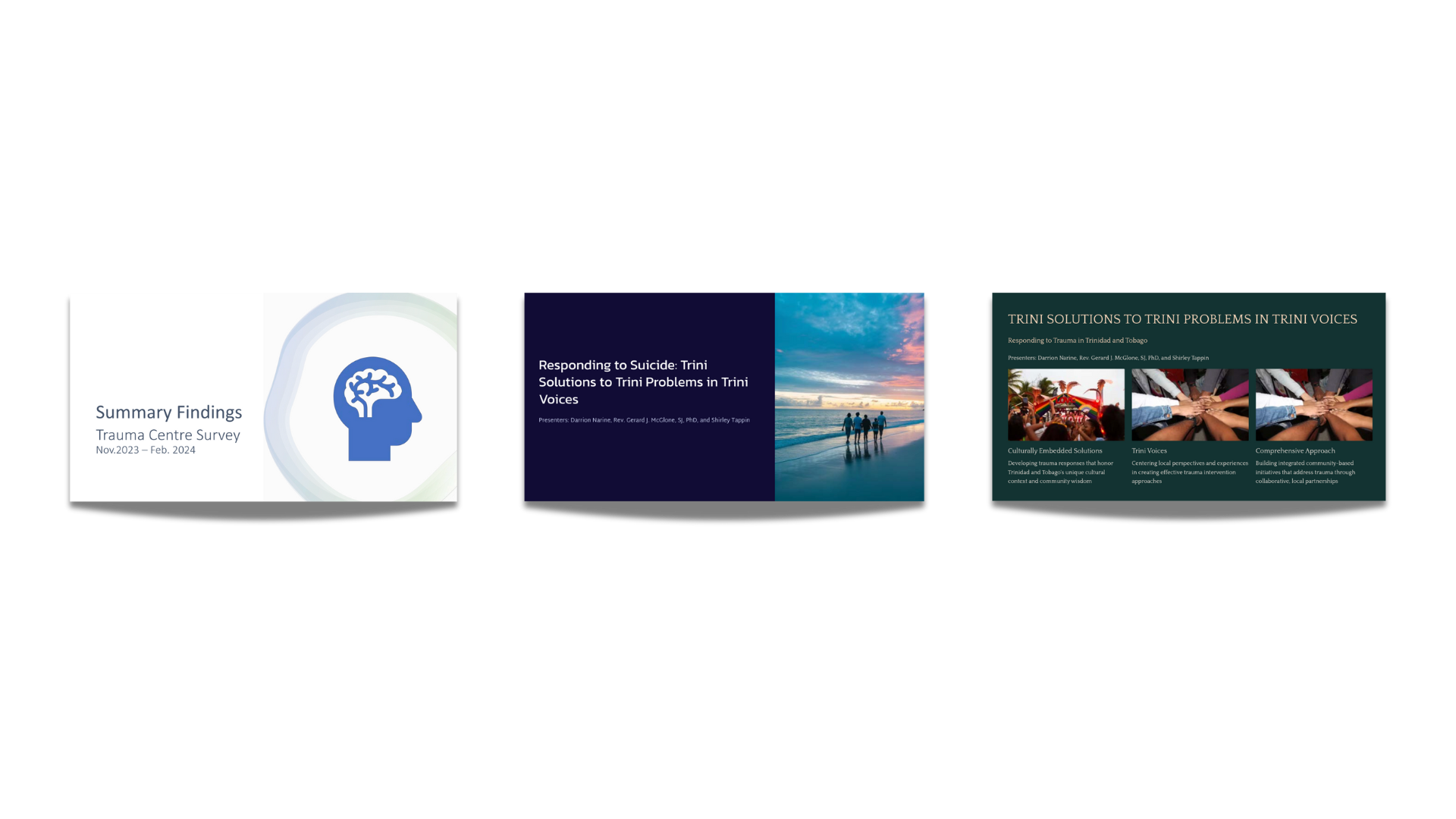

If you’re an educator in Trinidad and Tobago feeling burnt out, emotionally exhausted, or struggling to cope with the overwhelming challenges in your classroom, you’re not alone. This sense of overwhelm and burnout is a crisis many teachers face. Recent faculty meetings by the Samaritan Movement have revealed what many teachers already know: we’re facing a crisis that demands new approaches.
Teachers across the nation report experiencing personal trauma, depression, anxiety, and a lack of motivation to come to work. Many are dipping into their own pockets to support students while working in unconducive environments with poor resources. The good news? The TRINI Solutions framework offers culturally grounded, practical strategies specifically designed for our Caribbean context.
1. Create Sacred Safety in Your Classroom
The Challenge: Operating in noisy, fragmented environments Teachers described their work environment as “chaotic and stressful.”
The TRINI Solution: Establish predictable routines using ritual, song, and prayer to create psychological and emotional security. Start each day with the same opening ritual, perhaps incorporating a familiar song or a moment of shared reflection. Use cultural elements like Carnival symbolism or folklore to mark transitions between activities. Even in challenging physical spaces, these consistent practices signal to students that your classroom is a safe harbour.
Action Step: Develop a 5-minute opening ritual that incorporates music, prayer, or cultural traditions that resonate with your students. Consistency creates the safety your students desperately need.
2. Practice “Just Listening” Without Fixing
The Challenge: Teachers feel ill-equipped to handle students dealing with poverty, neglect, hunger, violence, and complex family trauma. One educator described the experience as a “rude awakening” and culture shock.
The TRINI Solution: Embrace Paul Tillich’s principle of “Just Listening” by creating empathetic presence without judgment or the pressure to immediately solve every problem. You don’t need to be a therapist; you need to be a witness. Allow trauma narratives to emerge naturally without interruption. Sometimes the most powerful intervention is simply being present.
Action Step: Set aside 10 minutes weekly for one-on-one check-ins with struggling students. Listen without offering advice or solutions unless directly asked. Your presence matters more than your answers.
3. Build Peer Support Networks Among Faculty
The Challenge: Teachers reported poor communication, mistrust, and unresolved conflicts among staff. Teachers also emphasized the need for peer support but lacked structured opportunities for connection.
The TRINI Solution: Facilitate small-group storytelling exercises and shared journaling sessions with fellow teachers. Create monthly “healing circles” where educators can safely share their experiences without judgment. The data shows that when teachers support each other, they’re better equipped to support their students.
Action Step: Organize a monthly after-school “teacher circle” where colleagues can share challenges and coping strategies in a confidential, supportive environment. Start with just 30 minutes and a simple check-in question.
4. Use Drama-Therapeutic Scenarios for Difficult Conversations
The Challenge: Female teachers reported being targeted with sexualized behaviour and disrespect from students. Behavioural issues and unrecognized trauma manifest as anger, withdrawal, or disruptive behaviour.
The TRINI Solution: Utilize drama-therapeutic scenarios followed by open debriefs to build authentic relationships and address difficult topics. Role-playing allows students to explore challenging situations in a safe context while building empathy and understanding. This approach creates trust and transparency without direct confrontation.
Action Step: Develop three scenario-based activities related to respect, boundaries, and emotional awareness. Facilitate monthly drama sessions where students can act out and discuss these scenarios.
5. Incorporate Cultural Healing Practices
The Challenge: Students face a perceived loss of traditional values and mannerisms. Teachers struggle to connect academic content with students’ lived realities.
The TRINI Solution: Ground your teaching in familiar cultural contexts by incorporating Soca lyrics, steelpan rhythms, Chutney music, folklore, and Carnival symbolism into lessons and healing practices. The research shows that culturally responsive approaches significantly improve engagement and emotional connection. Use local expressions, proverbs, and storytelling traditions to make trauma-informed concepts accessible.
Action Step: Redesign one lesson per week to include a Caribbean cultural element. Use local music for transitions, incorporate folklore into storytelling exercises, or discuss resilience through the lens of Carnival traditions.
6. Practice Strengths-Based Recognition
The Challenge: Teachers report feeling overwhelmed by the magnitude of student needs, leading to compassion fatigue and a deficit-focused mindset. Despite challenges, many educators maintain a deep love for their students.
The TRINI Solution: Emphasize resilience through spiritual affirmations and culturally rooted self-care practices. Shift from asking “What’s wrong with this student?” to “What strength is this student showing?” Celebrate small victories and acknowledge the courage it takes for students to show up each day. The TRINI framework teaches that recognizing strengths doesn’t ignore challenges; it creates pathways for healing.
Action Step: Start each week by identifying one strength in every student. Share these observations directly with students through affirmation notes or verbal recognition.
7. Advocate for Systemic Support While Caring for Yourself
The Challenge: Teachers lack training to handle special needs students and feel ill-equipped. There’s a critical need for more staff, including guidance counsellors and social workers, but these resources remain unavailable.
The TRINI Solution: While advocating for systemic change (the research recommends declaring child trauma a national emergency), prioritize your own self-care and emotional replenishment. You cannot pour from an empty cup. Engage in generational trauma awareness, practice spirituality and self-talk, and seek trauma-informed coaching when possible. Join professional development opportunities focused on trauma-informed education strategies.
Action Step: Commit to one weekly self-care practice (physical exercise, spiritual reflection, creative expression, or nature time). Document your needs and advocate collectively with colleagues for mental health support and specialized staff.
The Bottom Line
The data from schools across Trinidad and Tobago reveals that nearly 40% of students reported thoughts or behaviours related to self-harm, and 95% of children in care facilities experience at least one form of abuse or neglect. These statistics demand action, but they also reveal why educators feel so overwhelmed.
The TRINI Solutions framework isn’t asking you to become a therapist or work miracles with inadequate resources. Instead, it offers culturally grounded, practical approaches rooted in our Caribbean wisdom traditions. By creating safety through ritual, practicing empathetic listening, building peer support, using creative teaching methods, incorporating cultural healing, focusing on strengths, and caring for yourself, you’re not just surviving—you’re part of a movement transforming education in Trinidad and Tobago.
Remember: awareness of trauma and implementation of trauma-informed principles increased from 48% to 95% knowledge retention six months after training. When educators receive support and culturally relevant tools, transformation happens.
You’re not alone in this work, and your efforts matter more than you know.