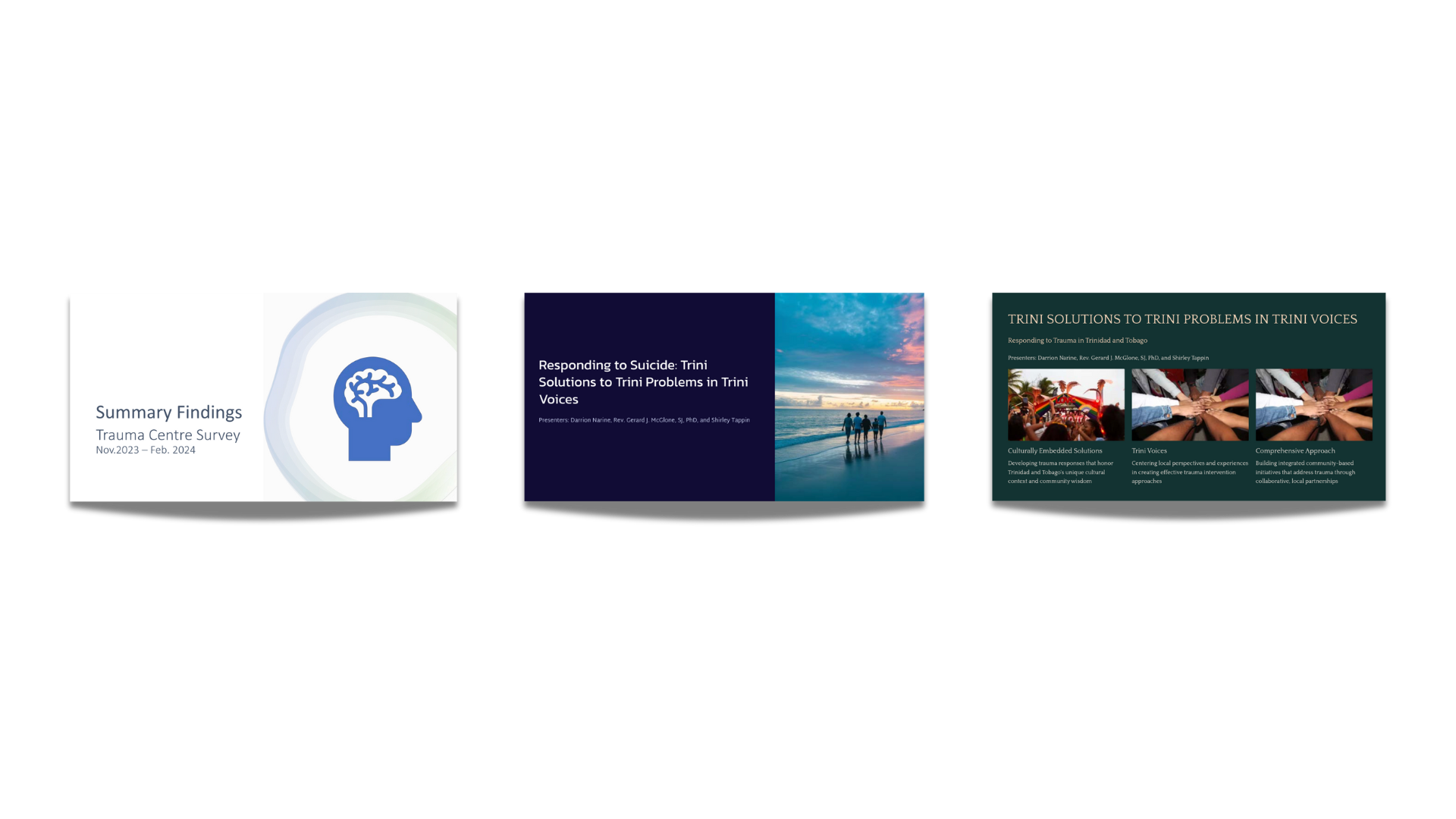

If 40% of our children are experiencing mental health challenges, they’re sending signals. Can Trinidad and Tobago’s teachers and parents see them?
The comprehensive mental wellness survey of 42,710 students across Trinidad and Tobago revealed something heartbreaking: our children are suffering, and many suffer in silence. They don’t always have the words to tell us what’s happening. But their behaviour, emotions, and bodies speak volumes—if we know what to look for.
The survey identified the most common forms of harm affecting our youth’s mental wellness—cyber abuse, neglect, sexual abuse, physical abuse, and emotional abuse—particularly impacting children ages 0-11 and adolescents ages 12-19.
Early recognition of behaviour changes transforms mental health outcomes. Here are the 10 critical warning signs every teacher and parent in Trinidad and Tobago must know.
1. Sudden Behaviour Changes: The First Mental Health Red Flag
What the mental wellness data shows: Eleven organizations identified “acting out” behaviour as one of the five most common mental health impacts in Trinidad and Tobago, affecting children across all age groups—but especially those aged 12-19.
What to look for:
In younger children (0-11):
- Previously well-behaved child becomes defiant or aggressive
- Sudden tantrums or emotional outbursts that seem disproportionate
- Regressive behaviours (bedwetting, thumb-sucking, baby talk)
- Extreme clinginess or sudden fear of separation
In adolescents (12-19):
- Dramatic personality shifts (outgoing teen becomes withdrawn)
- Sudden defiance toward authority figures
- Skipping classes or refusing to go to school
- Breaking rules they previously respected
- Destroying property or engaging in vandalism
Why it matters: Children experiencing violence or neglect often can’t articulate their pain. Instead, their behaviour becomes the communication method. This is a critical mental health indicator that teachers and parents must recognise.
What to do: Don’t just punish the behaviour. Practice teacher self-care or parent self-care by staying calm and asking: “I’ve noticed you’ve been different lately. What’s going on?” Create safe space for mental wellness conversations.
2. Depression: Critical Mental Health Crisis in Trinidad and Tobago’s Youth
What the mental wellness data shows: Depression was cited by 11 organizations as one of the most prevalent mental health impacts across all populations in Trinidad and Tobago, particularly affecting Groups A (0-11) and B (12-19).
What to look for:
In younger children:
- Loss of interest in activities they once loved
- Frequent crying or sadness without clear reason
- Excessive guilt (“It’s my fault,” “I’m bad”)
- Talking about feeling worthless or unloved
- Loss of energy, constant fatigue
- Changes in eating behaviour
In adolescents:
- Persistent sad, empty, or hopeless mood
- Withdrawal from friends and community social activities
- Statements like “Nothing matters,” “What’s the point?”
- Neglecting appearance or hygiene
- Sleeping too much or inability to sleep
- Expressing feelings of emptiness
Why it matters: Depression in children looks different than in adults. Young children may show irritability rather than sadness. Adolescents may mask mental health struggles with anger or risk-taking behaviour.
What to do: Take it seriously. Depression isn’t “just a phase.” Ask directly: “Have you been feeling sad or hopeless?” Professional mental wellness support is essential. Practice parent self-care or teacher self-care by seeking support for yourself too—witnessing depression affects your mental health.
3. Self-Harm and Suicidal Thoughts: Mental Health Emergency
What the mental wellness data shows: The survey’s most alarming finding for Trinidad and Tobago—40% of children expressed wanting to harm themselves. Eleven organizations identified both suicidal thoughts and self-harm behaviour as prevalent across age groups.
What to look for:
Warning signs across all ages:
- Direct statements: “I wish I wasn’t here,” “Everyone would be better off without me”
- Indirect statements: “Soon you won’t have to worry about me”
- Giving away prized possessions—critical behaviour change
- Saying goodbye to people in the community
- Sudden improvement after deep depression (may indicate they’ve decided on a plan)
Physical behaviour signs:
- Unexplained cuts, burns, or bruises (often on arms, legs, stomach)
- Wearing long sleeves even in Trinidad and Tobago’s hot weather
- Frequent “accidents” or injuries
- Finding sharp objects hidden in belongings
Why it matters: This is a mental health emergency requiring immediate intervention.
What to do – CRITICAL:
- Take it seriously. Never dismiss as “attention-seeking” behaviour
- Ask directly: “Are you thinking about hurting yourself?”
- Don’t leave them alone
- Remove access to means (medications, sharp objects)
- Get professional mental health help immediately—call crisis line, go to emergency room
- For teacher self-care: Report immediately. This is not yours to handle alone
- For parent self-care: Seek support for yourself. Your child’s mental health crisis affects your mental wellness
4. Low Self-Esteem: Mental Wellness Warning Sign
What the mental wellness data shows: Low self-esteem was identified by 11 organizations as highly prevalent in Trinidad and Tobago, affecting children in education, care homes, and parish communities.
What to look for:
In younger children:
- Frequent negative self-talk: “I’m stupid,” “I’m bad,” “Nobody likes me”
- Refusing to try new things for fear of failure
- Excessive apologizing behaviour
- Believing they deserve punishment
- Comparing themselves negatively to others
- Avoiding eye contact
In adolescents:
- Harsh self-criticism (“I’m worthless,” “I’m ugly,” “I’ll never be good enough”)
- Perfectionism behaviour that leads to paralysis
- Self-deprecating humor that goes beyond joking
- Refusing compliments or achievements
- Body image issues, excessive focus on appearance
- Seeking validation constantly
Why it matters: Low self-esteem often stems from experiencing abuse, neglect, or violence. When Trinidad and Tobago’s children internalize unworthiness, it shapes their entire mental health trajectory.
What to do: Provide specific, genuine praise. Challenge negative self-talk: “I heard you say you’re stupid. That’s not true. Let’s talk about what’s really going on.” Practice teacher self-care and parent self-care by not taking their negative self-perception personally.
5. Rage and Anger: Mental Health Response to Pain
What the mental wellness data shows: Ten organizations in Trinidad and Tobago reported rage attacks as a frequent mental health response, particularly in children aged 12-19 experiencing cycles of violence.
What to look for:
In younger children:
- Explosive tantrums extreme for their age
- Physical aggression toward peers, siblings, adults
- Destroying toys or belongings during outbursts
- Difficulty calming down once upset
- Going from calm to explosive with little warning
In adolescents:
- Intense, disproportionate anger at minor frustrations
- Verbal aggression, yelling, threatening behaviour
- Physical violence (punching walls, throwing objects, fighting)
- Road rage while driving in Trinidad and Tobago
- Anger that seems to come from nowhere
- Difficulty controlling impulses when angry
Why it matters: Rage often masks deeper pain. Children experiencing violence in Trinidad and Tobago’s communities often express powerlessness through anger.
What to do:
- For teacher self-care: Stay calm. Don’t meet rage with rage
- For parent self-care: Remove yourself if needed. Return when calm
- Later: “I noticed you got really angry. That level of anger usually means something deeper is hurting. Want to talk?”
6. Cyber Abuse: Growing Mental Health Threat in Trinidad and Tobago
What the mental wellness data shows: Cyber abuse was identified by 8 organizations as one of the top two threats to mental health affecting children in education—impacting children as young as ages 0-11.
What to look for:
In younger children:
- Fear or anxiety around using devices
- Secretive behaviour about online activities
- Emotional distress after being online
- Mentions of being “mean” online
- Withdrawing from online games
In adolescents:
- Suddenly stopping social media use
- Appearing upset after phone/computer use
- Secretive behaviour, hiding screens
- Receiving messages at odd hours
- Withdrawal from friends in Trinidad and Tobago’s community
- Changes in eating/sleeping patterns connected to device use
- Evidence of rumors, gossip, or embarrassing content online
Why it matters: Cyber abuse is relentless—it follows children 24/7. The survey showed it’s now one of the most common threats to youth mental health in Trinidad and Tobago.
What to do: Monitor device use without invading privacy completely. Ask: “How are things online? Anyone giving you trouble?” If cyber abuse is occurring, document it, report to school/authorities. Practice parent self-care by setting boundaries—you can’t monitor 24/7 without damaging your mental wellness.
7. Neglect: Silent Mental Health Crisis
What the mental wellness data shows: Neglect was identified by 8 organizations as highly prevalent across Trinidad and Tobago and was the #1 threat to mental health in children’s care homes, particularly affecting ages 12-19.
What to look for:
Physical signs:
- Poor hygiene (unwashed clothes, body odor, dirty appearance)
- Inappropriate clothing for Trinidad and Tobago’s weather
- Frequent hunger, asking for food, hoarding food
- Untreated medical issues
- Fatigue, falling asleep in class
- Developmental delays
Behaviour patterns:
- Coming to school very early and leaving very late (avoiding home)
- Taking on adult responsibilities inappropriately
- Lack of supervision
- Not having necessary school supplies
- Missing medical appointments
Emotional signs:
- Seeming emotionally “flat” or disconnected
- Not mentioning parents or caregivers
- Extreme independence unusual for age
- Lack of attachment to caregivers
Why it matters: Neglect is often invisible in Trinidad and Tobago’s communities because these children don’t act out—they quietly suffer.
What to do:
- Teachers: Report to administration and child protective services. Practice teacher self-care—you’ve done your part
- Parents in community: Report to authorities. If recognizing in your own parenting, seek help. Parent self-care means asking for help before you break
8. Anxiety: Mental Wellness Challenge
What the mental wellness data shows: Ten organizations in Trinidad and Tobago identified anxiety and insomnia as prevalent mental health impacts, particularly in children experiencing violence.
What to look for:
In younger children:
- Excessive worry about daily activities
- Frequent stomachaches or headaches—mental health manifesting physically
- Clingy behaviour, fear of separation
- Afraid to try new things
- Nightmares or difficulty sleeping
- Startling easily
In adolescents:
- Constant worry about grades, appearance, future
- Panic attacks (rapid heartbeat, difficulty breathing, feeling of doom)
- Avoiding situations that make them anxious
- Insomnia or disrupted sleep
- Difficulty concentrating in Trinidad and Tobago’s classrooms
- Physical symptoms: racing heart, sweating, trembling
Hypervigilance (common in children experiencing violence):
- Always scanning environment for threats
- Overreacting to minor issues
- Difficulty relaxing
- Extreme startle response
Why it matters: Chronic anxiety rewires developing brains. Children living with violence learn constant alertness—exhausting and damaging to mental health.
What to do: Create predictability and safety. For chronic anxiety, professional mental wellness support is essential.
- Teacher self-care: Create calm classroom environments while protecting your mental wellness
- Parent self-care: Model calm behaviour even when child’s anxiety triggers your stress
9. Physical and Sexual Abuse: Serious Mental Health Threats
What the mental wellness data shows: Sexual abuse was cited by 8 organizations across Trinidad and Tobago; physical abuse by 8 organizations. Both create severe mental health consequences.
What to look for:
Physical abuse signs:
- Unexplained bruises, burns, cuts, or fractures
- Injuries in patterns (belt marks, hand prints)
- Injuries in various stages of healing
- Reluctance to go home
- Flinching when touched
- Wearing clothing to cover injuries in Trinidad and Tobago’s heat
- Fear of specific adults in the community
Sexual abuse signs:
- Age-inappropriate sexual knowledge or behaviour
- Sexualized play with toys or other children
- Drawings or stories with sexual content
- Fear of specific people or places
- Regression to earlier behaviours
- Sudden fear of bathrooms, bedrooms
- Physical signs: difficulty walking/sitting, torn undergarments
- Avoiding certain adults or becoming overly compliant
Why it matters: These are the most serious threats to mental health in Trinidad and Tobago requiring immediate intervention.
What to do – CRITICAL:
- Report immediately to child protective services and/or police
- Do not investigate yourself
- Believe the child if they disclose
- Document what you observe
- Ensure child’s safety
- For teacher self-care and parent self-care: Get support for yourself. Witnessing abuse affects your mental health too
10. High-Risk Behaviour: Mental Wellness Crisis in Adolescents
What the mental wellness data shows: Twelve organizations in Trinidad and Tobago identified promiscuity as prevalent; ten identified substance abuse—particularly affecting adolescents aged 12-19 and indicating serious mental health challenges.
What to look for:
In adolescents:
- Multiple sexual partners or relationships
- Engaging in sexual activity at young ages
- Using sex to get needs met
- Substance use behaviour (alcohol, marijuana, drugs) in Trinidad and Tobago
- Seeking pornography excessively
- Risky behaviours: driving recklessly on Trinidad and Tobago’s roads, fighting, dangerous stunts
- Gambling or compulsive behaviours
- Self-medicating emotional pain with substances or sex
Why it matters: The survey shows these aren’t “bad choices”—they’re mental health responses to pain. Children use these behaviours to numb suffering, seek control, or cope with violence and abuse.
What to do: Don’t shame. These behaviours are symptoms of mental wellness challenges. Ask: “I’m worried about some choices you’re making. Can we talk about what’s really going on?” Professional mental health help is essential.
- For teacher self-care: Report concerning behaviour. Don’t try to be the therapist
- For parent self-care: Seek family therapy. Your child’s mental health challenges affect family’s mental wellness
Mental Health Recognition Checklist for Trinidad and Tobago
Print this mental wellness monitoring tool. Check regularly:
Behaviour Red Flags: □ Sudden changes in behaviour or personality
□ Acting out, defiance, or aggression
□ Withdrawal from friends, activities, family, or community
□ Risky behaviours in Trinidad and Tobago
Mental Health Emotional Red Flags: □ Persistent sadness or depression
□ Expressions of self-harm or suicidal thoughts—EMERGENCY
□ Low self-esteem, negative self-talk
□ Rage attacks or intense anger
□ Anxiety, fear, or hypervigilance
Physical Red Flags: □ Unexplained injuries
□ Signs of neglect
□ Physical symptoms without medical cause
□ Changes in eating or sleeping behaviour
Digital Red Flags: □ Distress related to device use
□ Secretive online behaviour
□ Evidence of cyber abuse
If you check 3 or more, have a mental health conversation. If you check 5 or more, seek professional mental wellness help immediately.
For your own mental health: □ Am I practicing adequate teacher self-care or parent self-care?
□ Is my mental wellness allowing me to support this child effectively?
□ Do I need professional support for my own mental health?
Now that you can recognize the warning signs in your students, take the next critical step: complete the ACE & PACE Assessment to understand your own resilience profile—because teachers who know their own mental health history are better equipped to recognize, respond to, and support the behaviour changes they witness daily in Trinidad and Tobago’s classrooms without sacrificing their own mental wellness.