
The Samaritan Movement · Schools
Trauma-Informed, Compassion-Resilient Schools
Building school communities where children and adults feel safe, connected, supported and able to flourish.
Our work began by listening to educators and supporting trauma-informed faculty learning. We are now preparing to deepen this work through school leadership, educator wellbeing and a whole-school approach.
Understanding our approach
What is a compassion-resilient school community?
School communities across Trinidad and Tobago navigate complex realities: violence, loss and grief, family disruption, economic pressures, social media pressures and chronic stress. These experiences can shape how children feel, relate, behave and learn.
A trauma-informed approach helps us consider how adversity may influence what we see in children and adults. It encourages us to ask, “What may have happened?” and to respond with understanding, clear expectations and care.
A compassion-resilient school community builds on that understanding. It strengthens the relationships, leadership, everyday practices and systems that support the wellbeing of students and the adults around them.
Educators bring experience, wisdom, creativity and deep knowledge of their communities. Our approach builds on these strengths, while recognising that those who care for children also need care and support.
Being trauma-informed means learning to see and respond differently. It maintains expectations and accountability while recognising the needs behind behaviour. Educators are supported in their role; they are not expected to become therapists.
- Safety
- Trust
- Connection
- Belonging
- Empowerment
- Choice
- Hope
Where we started
Listening first. Learning with educators.
Our school work grew from the Trauma Resource Centre Committee’s priorities in 2024. Consultations, school visits and faculty listening sessions helped us understand the realities facing educators, children and families.
The Trauma-Informed Faculty Training developed through introductory workshops and progressive learning sessions. It connected an understanding of trauma with practical ways to create emotionally safe classrooms and respond to distress.
The training explored:
- Understanding trauma, dysregulation and behaviour as communication.
- Regulation and co-regulation: supporting calm and connection.
- Relational safety and predictable learning environments.
- Trauma-sensitive language and restorative responses.
- Educator wellbeing, self-care and boundaries.
- The school systems needed to sustain trauma-informed practice.
Faculty and guidance counsellor feedback helped shape the learning, alongside locally adapted resources and evaluation. The next phase builds on these experiences.
Our journey · 2024–2026
Growing through listening, learning & reflection.
Begin with school realities
Early engagement included consultations with St. Anthony’s College and Bethlehem Boys R.C., followed by a joint trauma-informed workshop in October. Further listening involved St. Francis Boys’ College, Bethlehem Girls R.C. and a responsive visit to Sacred Heart R.C., Carapo.
Deepen faculty learning
Faculty training continued through further sessions and engagement with southern schools. Locally adapted resources and a developing research collaboration supported a growing focus on practical application and learning from school experiences.
Connect learning with school culture
April–May training explored regulation, co-regulation, relational safety, restorative responses and school-wide systems. Feedback and evaluation informed the development of the next phase: leadership-centred, compassion-resilient school communities.
Our eight pilot schools
The faculty training journey included these primary and secondary schools:
Primary schools
- Bethlehem Boys R.C.
- Bethlehem Girls R.C.
- St. Dominic’s R.C.
- Penal Rock R.C.
Secondary schools
- Holy Faith Convent (Penal)
- St. Benedict’s College (La Romain)
- St. Francis Boys’ College
- St. Anthony’s College
From faculty learning to a whole-school approach.
Our experience with educators points towards a shared priority: creating the conditions for trauma-informed learning to become part of everyday school life.
The proposed Compassion-Resilient Schools Leadership Programme will begin by partnering with school leaders. Together, we will listen to staff, identify existing strengths and agree realistic priorities that reflect each school’s context.
Leadership that supports care
Work with leaders on school culture, staff support, professional learning and the conditions that help educators sustain compassionate practice.
Relationships & everyday practice
Build on relational safety, co-regulation, restorative responses and compassionate accountability across the school community.
Systems that sustain change
Consider policies, responsibilities, referral pathways, resources and family partnerships that support consistent responses over time.
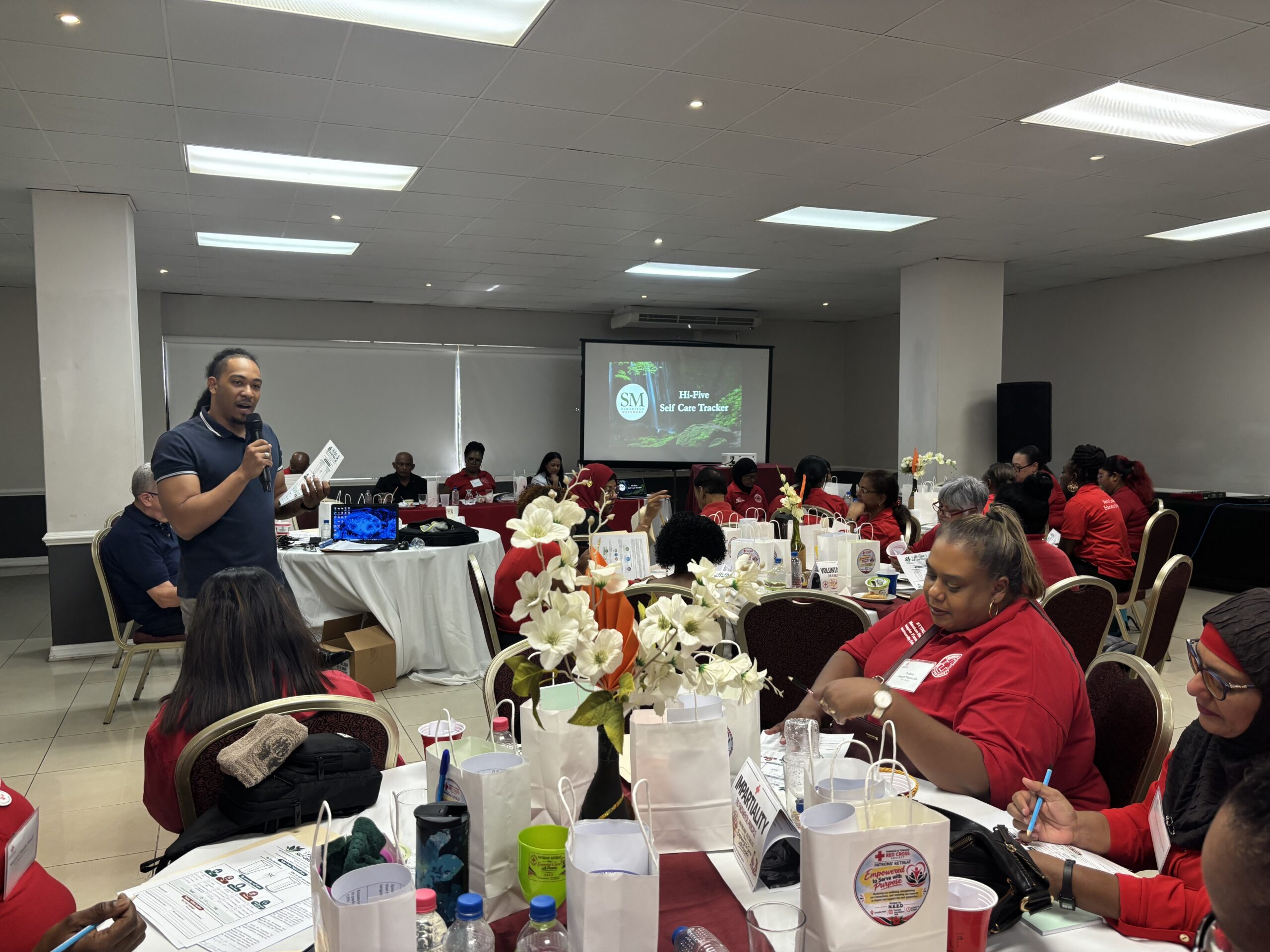
Earlier faculty training provides a foundation for the programme’s next phase.
A proposed pathway shaped with each school
We will start with what is already working, identify where support is needed and use feedback to guide the next steps.
- Listen & assess
- Prioritise
- Plan
- Act
- Review & adapt
Caring for those who care
Educator wellbeing belongs at the heart of school life.
Educators and school leaders carry responsibilities at school alongside pressures in their own lives. Our consultations have highlighted stress, self-care needs, limited resources and the emotional demands of supporting children and families.
Compassion resilience requires relationships, leadership, working conditions and systems that support adults to continue caring well. The next phase will bring together two complementary pathways.
Strengthening the conditions for wellbeing
The leadership programme will support schools to consider how culture, staff relationships, everyday practices and organisational decisions can help sustain educator wellbeing.
Priorities will be shaped with each school, informed by the voices of the people who work there.
Resilience Circles
For schools previously engaged in our Trauma-Informed Faculty Training, Resilience Circles are planned as ongoing opportunities for educators to reflect, connect and strengthen resilience.
They will support continued learning and reflection on sustaining trauma-informed practice within educators’ own school contexts.
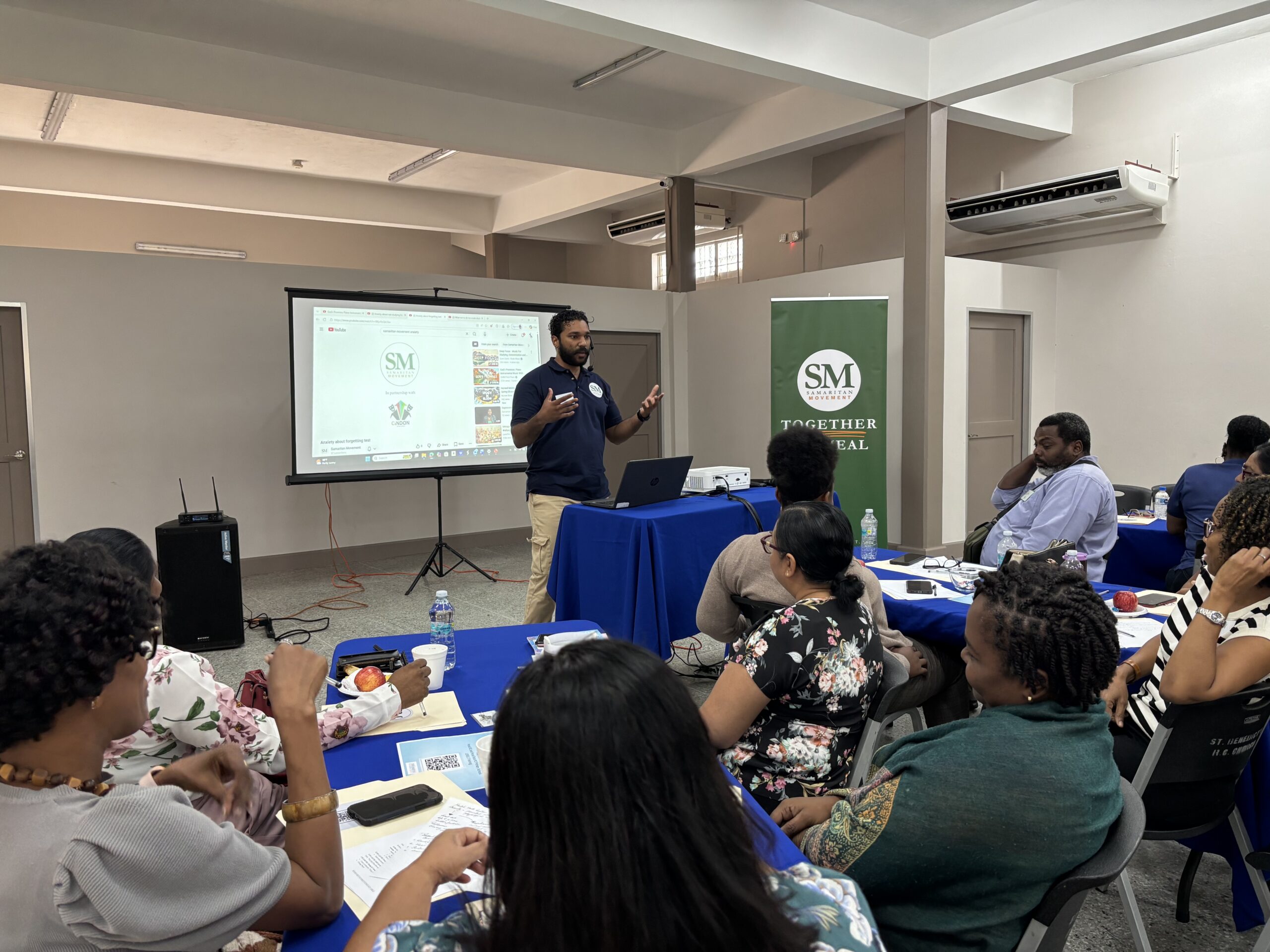
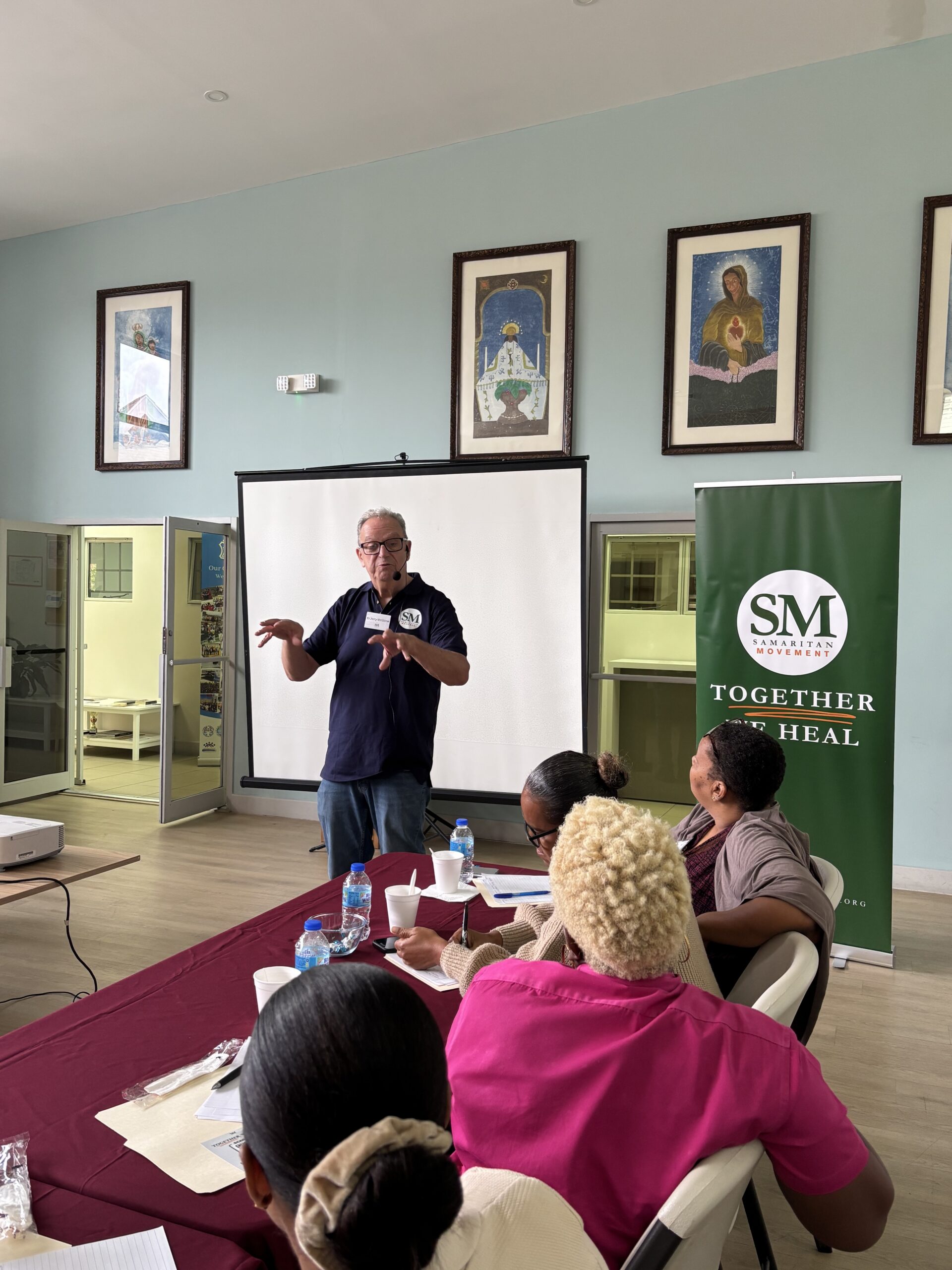
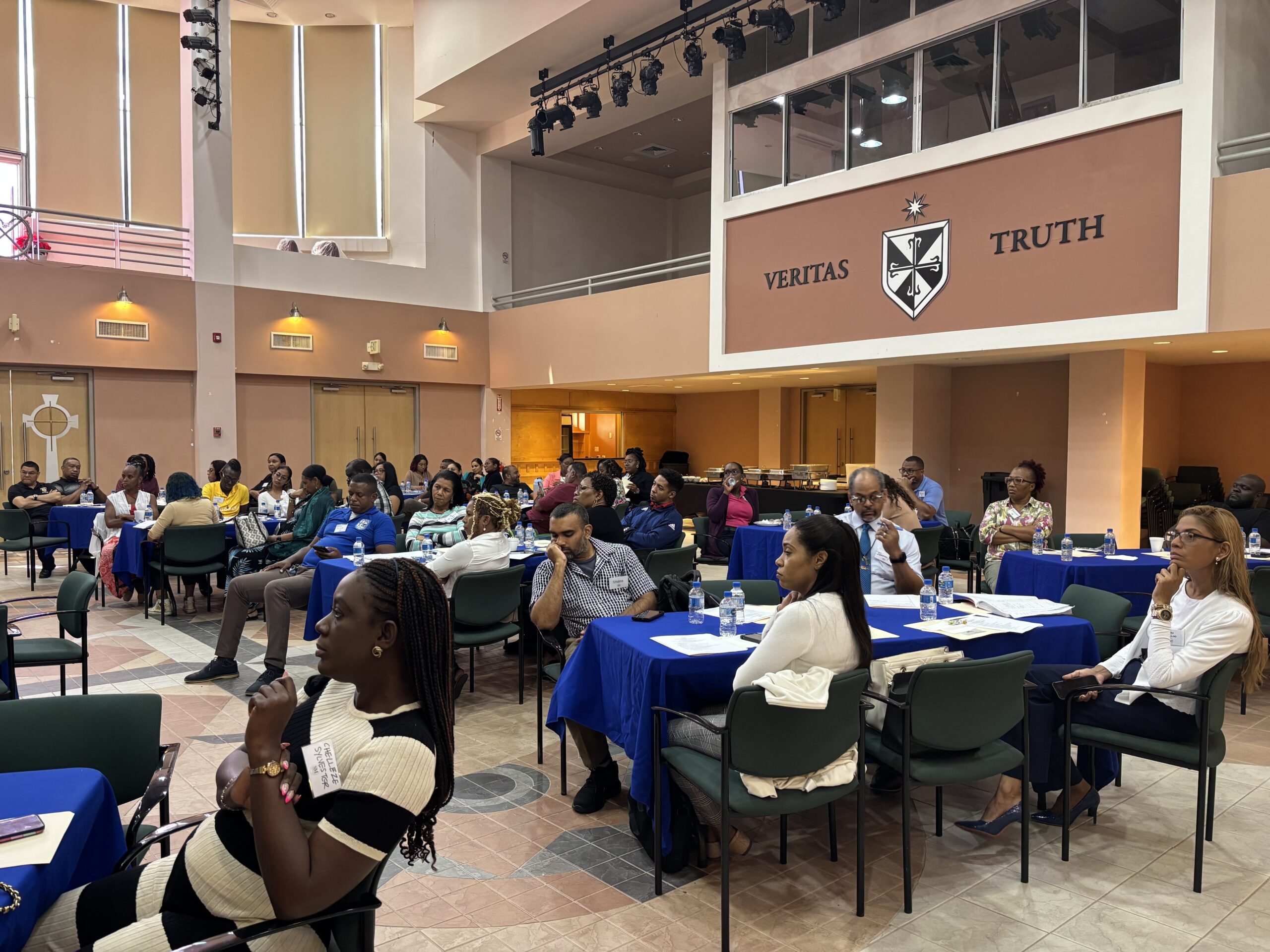
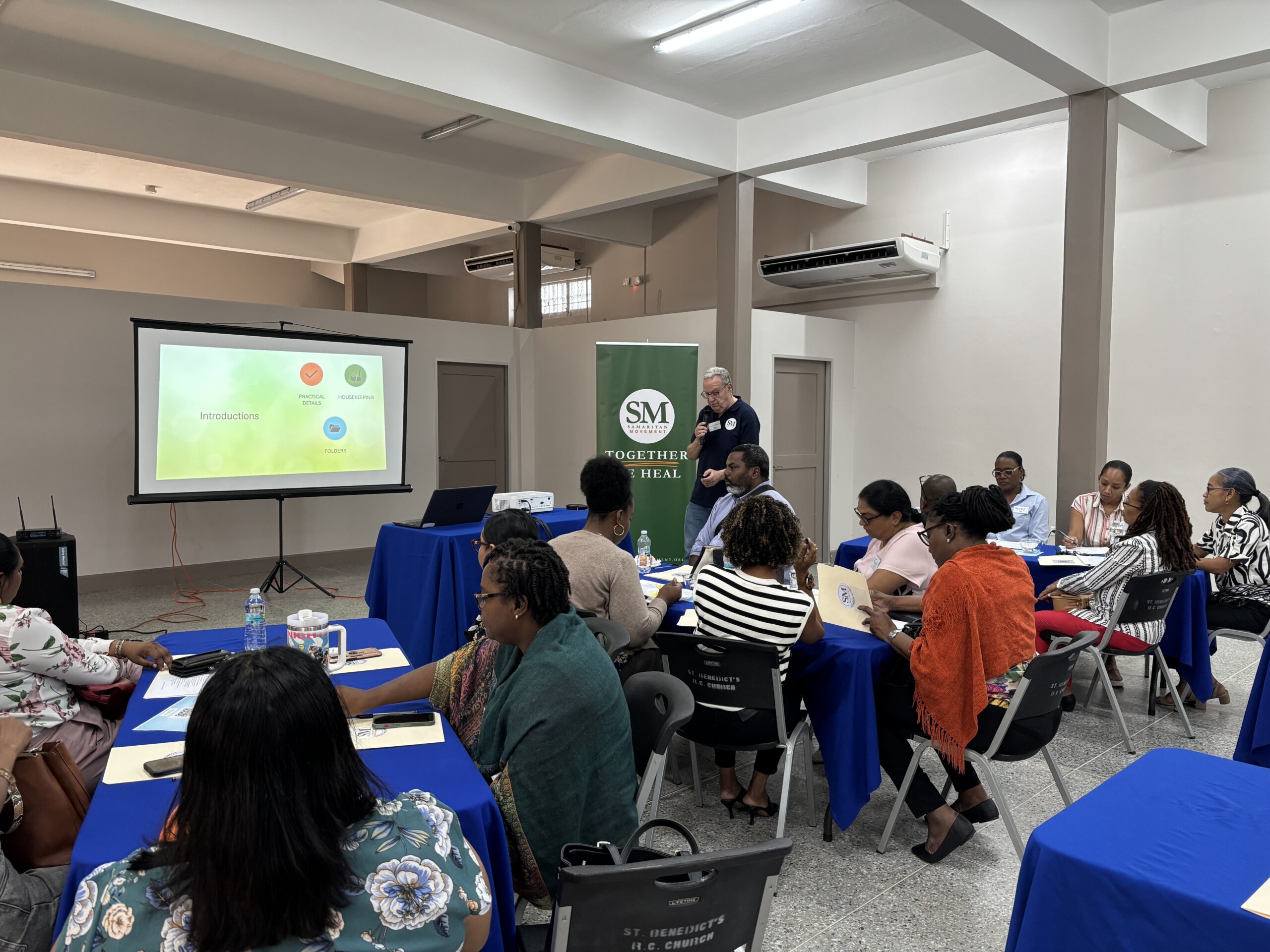
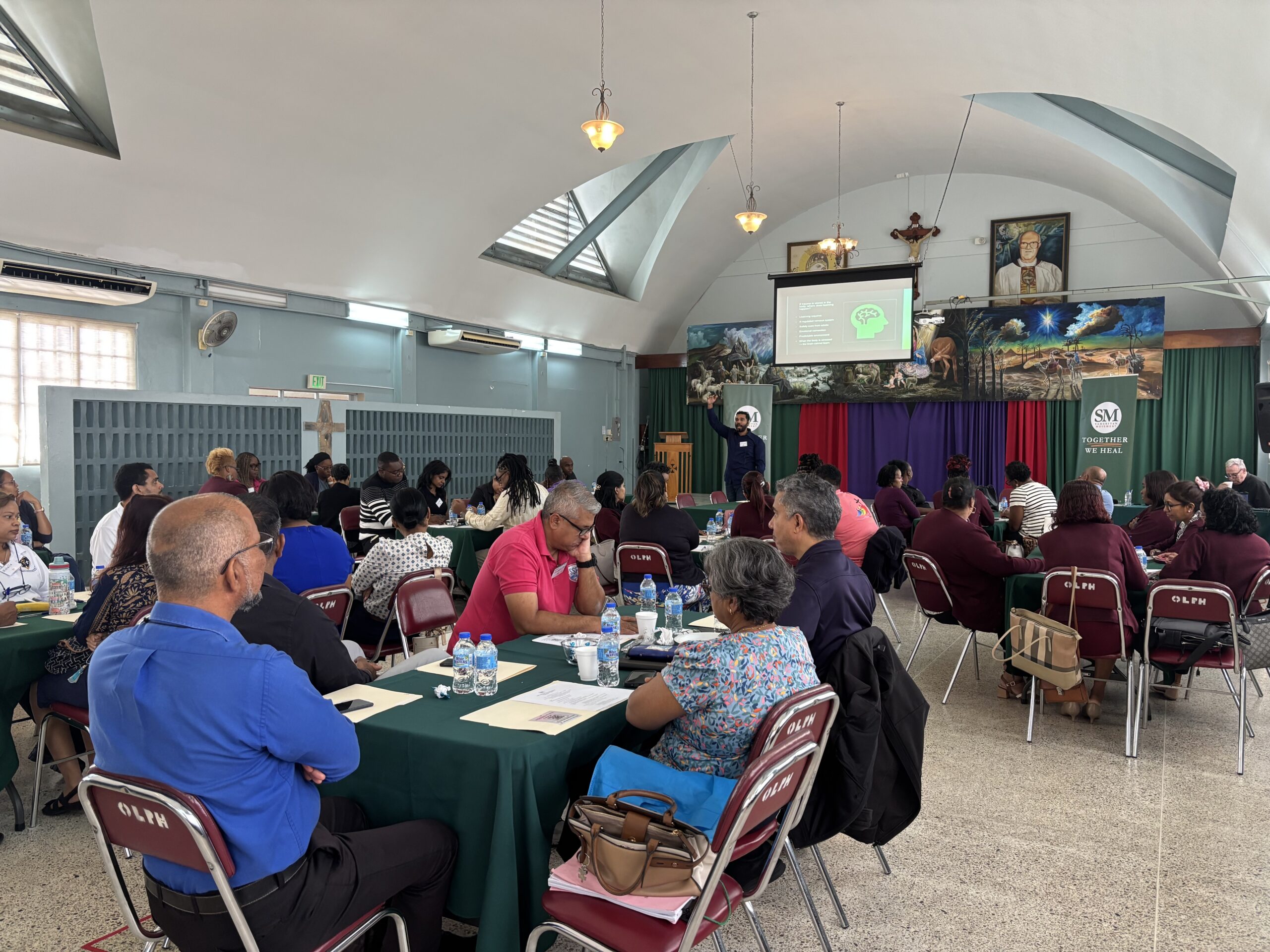
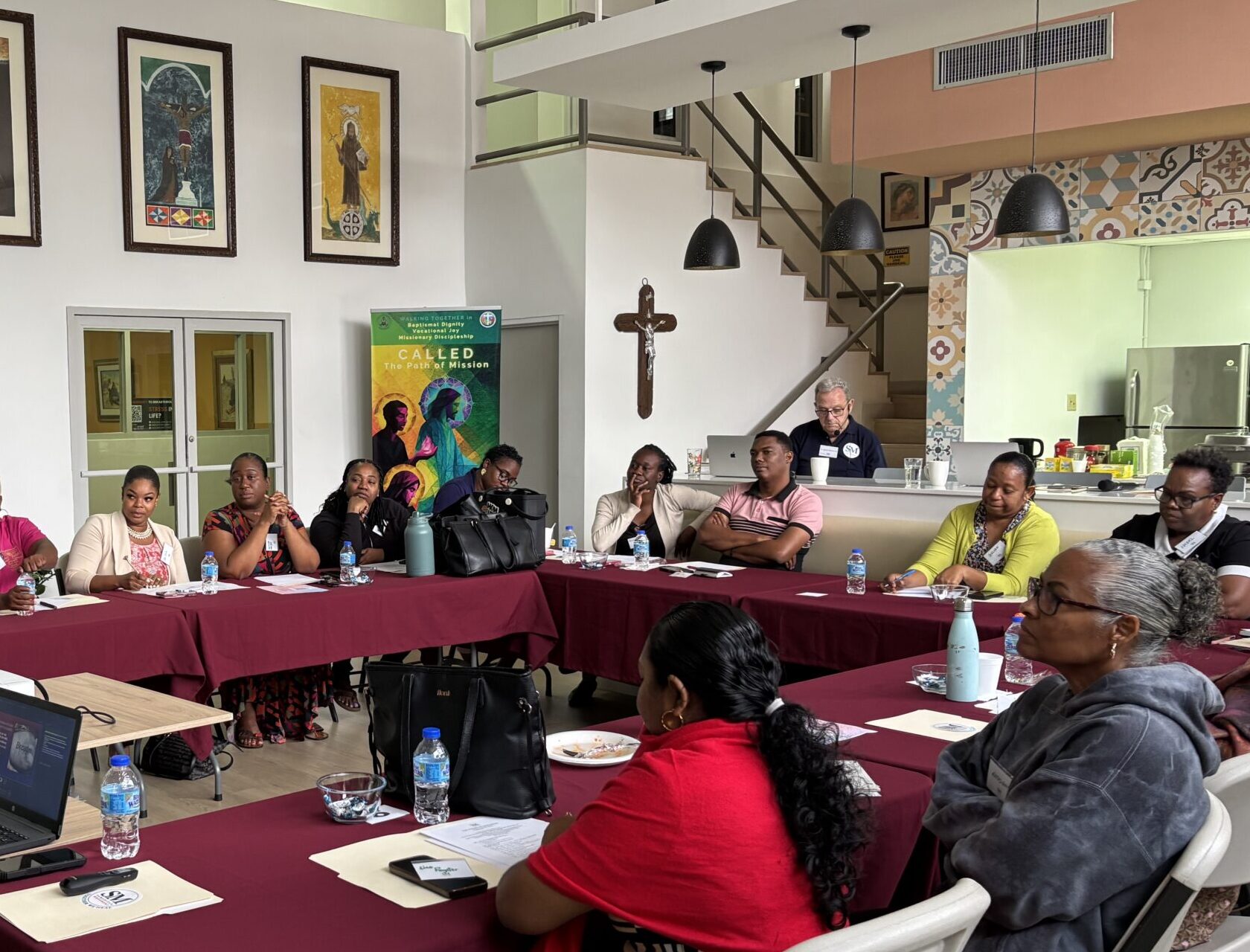
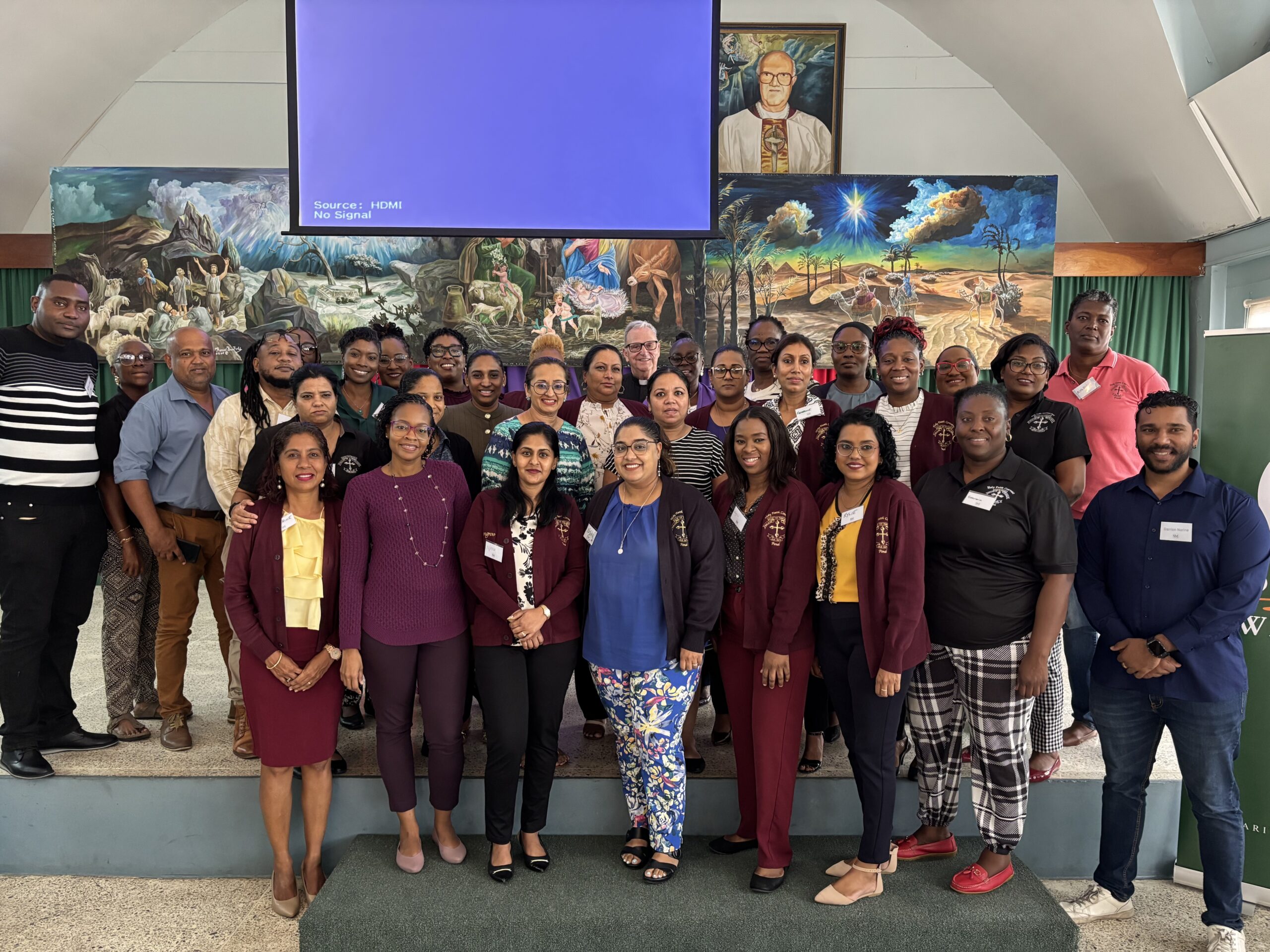
Photographs from our faculty training journey.
Practical resources & continued learning
Making the learning useful in everyday school life.
Educator feedback has shaped our training and locally adapted resources. As the programme develops, practical support will continue to reflect the needs, strengths and realities of school communities in Trinidad and Tobago.
Explore the areas informing this work:
Classroom relationships & responses
Trauma-sensitive language, predictable environments, relational safety, regulation and co-regulation, and restorative responses to challenging situations.
Educator reflection & wellbeing
Resources and opportunities to reflect on self-care, boundaries, staff relationships and the support educators identify as useful in their own context.
School systems & coordinated support
Attention to roles, referral pathways, family engagement and shared practices that help schools respond consistently and connect people with appropriate support.
Listening, feedback & adaptation
Continued use of school feedback and evaluation to understand what is working, identify gaps and adapt the programme and its resources over time.
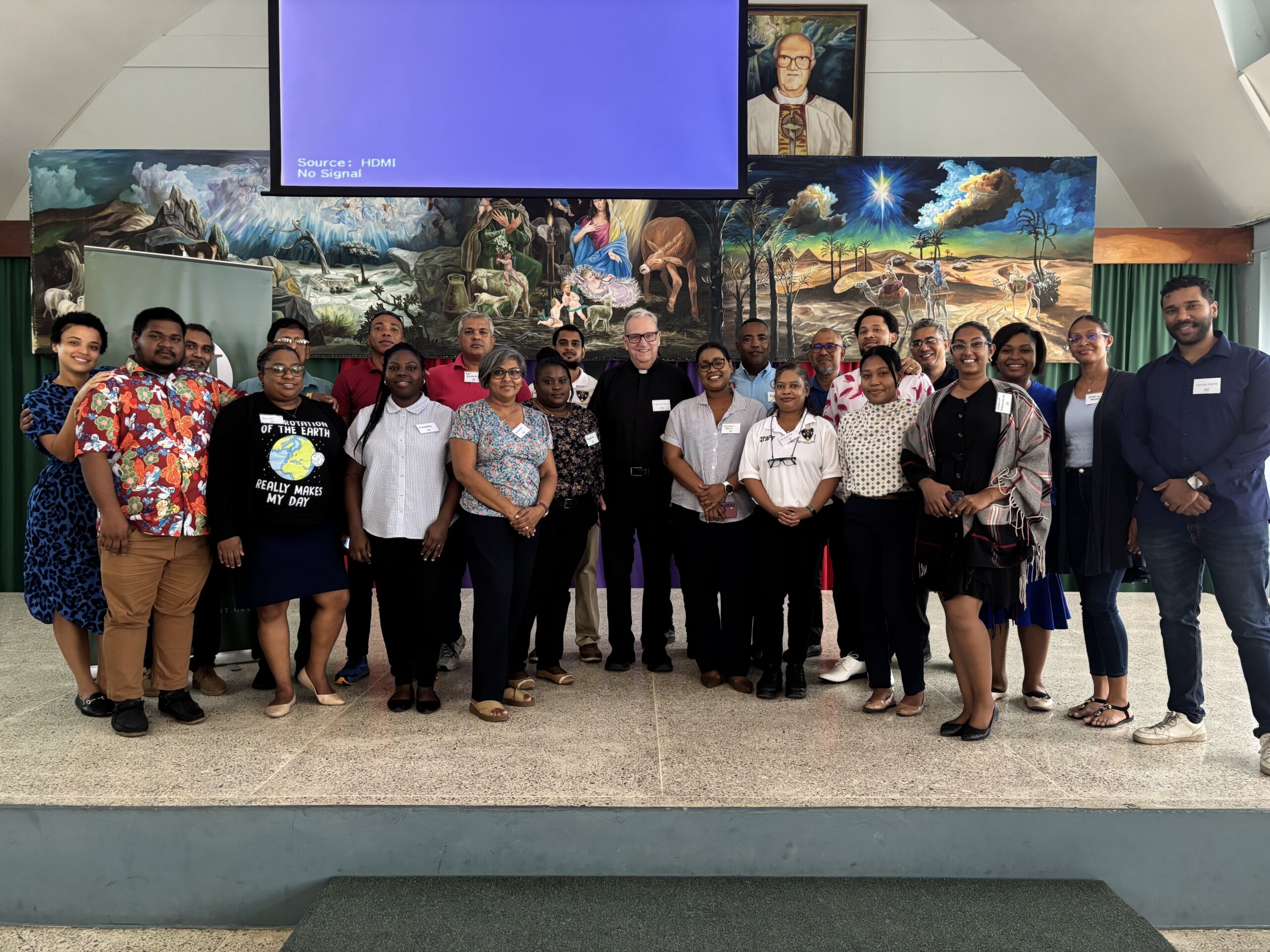
From the ground up. School leaders and educators know their communities best. Their experiences will continue to guide what we develop and how we support implementation.
Start a conversation
What could this look like in your school?
As we prepare the next phase, we invite school leaders to express interest in building a trauma-informed, compassion-resilient school community.
Share your school’s context, strengths and priorities through the preliminary application, or contact our team to discuss the programme and continuing support for educators.
Become a Samaritan. Together We Heal.